Why Do I Get Attached So Quickly, and How Can I Slow Down?
By Godwin Patience | Rebirth with MMA
Have you ever met someone, started talking to them, and before you knew it, they had become a significant part of your everyday life?
You wake up thinking about them. You check your phone to see if they have sent a message. When they call, your mood improves. You find yourself looking forward to your conversations, imagining what a future together might look like, and wondering whether they feel the same way about you.
Then, something changes.
Their replies become shorter. They take longer to respond. The conversations that once flowed naturally begin to feel forced. Suddenly, you find yourself analysing every little thing they do, wondering whether you said something wrong or whether they are losing interest.
The confusing part is that you may not have known this person for very long.
So, why do you feel so attached already?
And more importantly, how do you learn to develop feelings for someone without becoming emotionally overwhelmed by the connection?
If this sounds familiar, you are not alone. Developing feelings quickly is something many people experience, and it does not automatically mean that something is wrong with you.
However, when attachment begins to affect your peace of mind, self-worth, or ability to make clear decisions, it is worth understanding what is happening.
Let’s talk about it.
1. What Does It Mean to Get Attached Too Quickly?
Getting attached quickly means developing a strong emotional connection to someone within a relatively short period, sometimes before you have had enough time to understand who they are or what they want.
You may begin to miss them intensely, depend on their attention to feel better, or imagine a future with them before the relationship has had time to develop.
For some people, this happens during the talking stage. For others, it happens after a few dates or a short period of consistent communication.
There is nothing wrong with being excited about someone. There is nothing wrong with looking forward to their messages or feeling happy when you spend time together.
The concern begins when your emotional investment becomes much greater than the actual relationship you have built.
For example, you may have spoken to someone for two weeks, but you already feel devastated whenever they are unavailable. You may find yourself making major decisions around someone who has not even clarified their intentions.
In situations like this, your feelings may be responding not only to the person but also to the possibilities you have imagined with them.
And that distinction matters.
You can have genuine feelings for someone while still needing more time to understand whether they are right for you.
2. Why Do You Get Attached So Quickly?
There is rarely just one explanation for developing feelings quickly. Your experiences, emotional needs, expectations, and the way a new connection makes you feel can all play a role.
Understanding your own reasons can help you respond to your feelings with greater awareness.
You May Be Craving Emotional Connection
Sometimes, what feels like intense attachment to a particular person is partly a longing for connection.
Perhaps you have spent a long time feeling lonely. Maybe you have been the person who listens to everyone else’s problems but rarely has someone to lean on.
Then someone comes along who checks on you, listens to your stories, remembers the little things you say, and makes you feel important.
Naturally, you begin to look forward to their presence.
The challenge is that when someone meets an emotional need you have been carrying for a long time, it can be easy to become attached to the feeling they give you before you fully understand the person themselves.
Ask yourself:
Do I genuinely know this person, or am I deeply attached to how I feel when they give me attention?
Your answer may reveal something important.
You May Be Afraid of Losing Someone You Like
Sometimes, attachment grows quickly because you are already worried about losing the connection.
You meet someone you genuinely like, and instead of allowing things to develop naturally, you begin wondering how to keep them interested.
You become overly careful about what you say. You may avoid expressing your needs because you do not want to appear difficult. You may accept behaviour that makes you uncomfortable because you fear that setting boundaries could push them away.
Without realising it, you begin prioritising the survival of the connection over your own emotional well-being.
But a relationship that requires you to constantly suppress yourself to keep someone interested can become exhausting.
You should be able to express your needs and be yourself without feeling that every honest conversation puts the entire connection at risk.
You May Be Falling in Love With the Potential
This is a common experience, especially during the early stages of dating.
Someone is attractive, attentive, funny, and seems to share your values. You have a few meaningful conversations, and suddenly, you begin imagining everything the two of you could become.
You picture the relationship, the memories, the future, and the kind of partner they might be.
The problem is that potential is not the same as reality.
Someone may have the qualities you admire, but you still need time to observe how they behave when things are difficult, how they handle disagreements, whether they respect boundaries, and whether their intentions align with yours.
Enjoy getting to know someone, but do not allow your imagination to fill in the parts of their character you have not yet discovered.
You May Have Experienced Inconsistent Attention
Have you ever noticed that someone becomes especially exciting to you when their attention is unpredictable?
One day, they are affectionate and attentive. The next day, they seem distant. Just when you begin to pull back, they return with the same warmth that attracted you in the first place.
This inconsistency can leave you constantly wondering where you stand.
You may start paying even more attention to their messages, trying to understand what changed and waiting for the next moment when things feel good again.
For some people, this uncertainty can intensify emotional preoccupation.
It is important to understand that unpredictability does not necessarily mean someone is deliberately manipulating you. People can become busy, have different communication habits, or be uncertain about what they want.
However, if a connection repeatedly leaves you anxious and confused, it is worth paying attention to that pattern rather than focusing only on the moments when the person is affectionate.
Your Past Experiences May Be Influencing You
The way you experienced love, attention, and emotional security in the past can influence how you approach relationships today.
Perhaps you have experienced rejection, abandonment, betrayal, or relationships where affection was unpredictable.
You may now find yourself becoming anxious when someone seems distant or feeling an urgent need to secure a connection before it disappears.
These experiences do not determine your future relationships, but they may help explain some of your reactions.
If you notice a recurring pattern that causes significant distress, speaking with a qualified mental health professional can help you explore it and develop healthier ways of relating to others.
3. Signs You May Be Getting Attached Faster Than the Relationship Is Developing
How do you know when your feelings are becoming difficult to manage?
Here are some patterns to pay attention to:
- Your mood depends heavily on their attention. A message can make your day, while a delayed response leaves you upset for hours.
- You think about them constantly. You struggle to concentrate on other things because you keep wondering what they are doing or thinking.
- You imagine a future before knowing them well. You have already pictured a serious relationship, even though you have not discussed what either of you wants.
- You overlook things that concern you. You notice behaviour you dislike but excuse it because you do not want to lose the connection.
- You abandon your own routine. You begin neglecting friendships, hobbies, responsibilities, or personal goals to make yourself available.
- You feel anxious about where you stand. You repeatedly analyse messages and interactions because you are unsure whether the feelings are mutual.
Experiencing one of these things occasionally does not automatically mean you have an unhealthy attachment pattern.
What matters is how frequently it happens, how intensely you experience it, and whether it begins to interfere with your everyday life.
The goal is not to stop caring. It is to develop a connection without allowing uncertainty to take over your life.
4. How Can You Stop Getting Attached Too Quickly?

Now, let’s talk about the practical steps you can take.
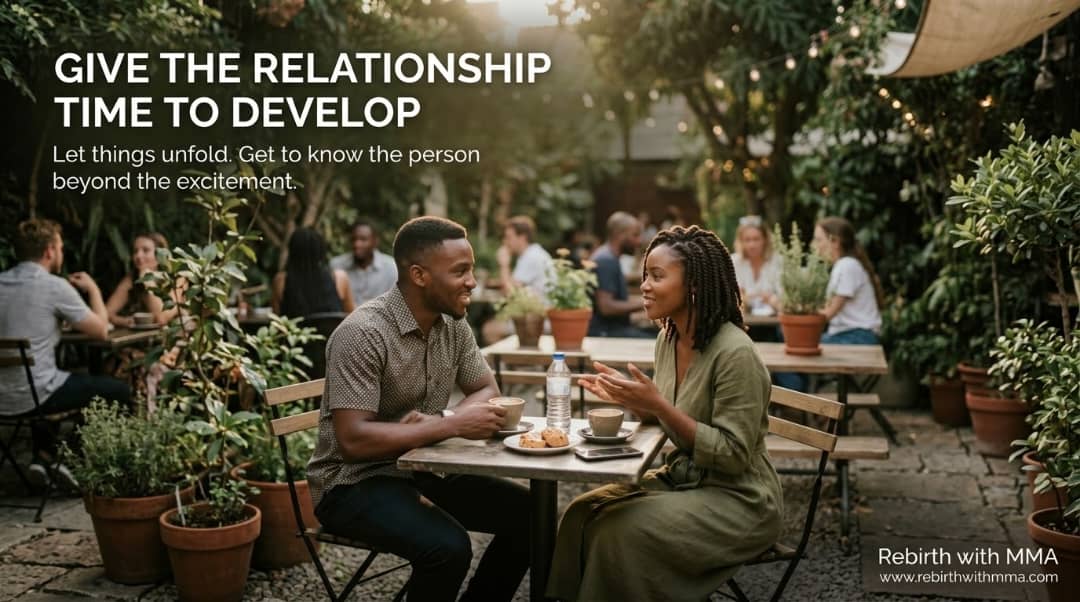
Give the Relationship Time to Develop
You do not have to decide immediately whether someone is your future partner.
Allow yourself to enjoy the early stages of getting to know them without putting pressure on the connection to become something permanent.
Take time to learn about their values, habits, expectations, and character.
Notice how they treat you, but also pay attention to how they treat other people. Observe how they respond when you disagree, when you establish a boundary, or when things do not go according to their wishes.
You cannot learn everything about a person in a few conversations.
Time gives you an opportunity to distinguish between the excitement of a new connection and the compatibility needed for a lasting relationship.
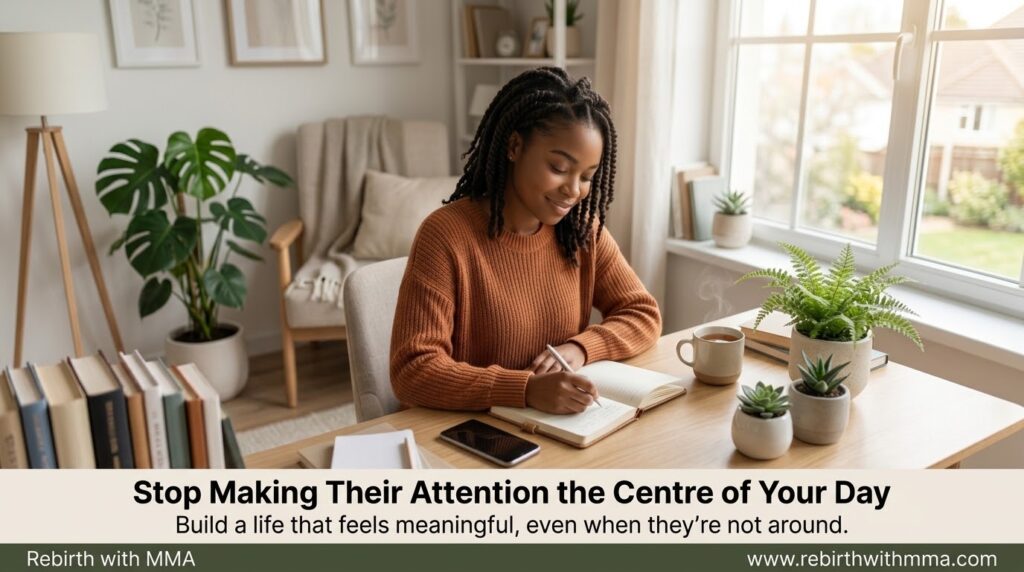
Stop Making Their Attention the Centre of Your Day
It is perfectly normal to look forward to hearing from someone you like.
But your entire day should not revolve around whether they have sent you a message.
If you notice yourself repeatedly checking your phone, make a conscious effort to return your attention to the things you were doing.
Finish your work. Attend to your responsibilities. Spend time with people you care about. Enjoy your interests.
You do not have to ignore someone or deliberately delay your replies to appear less interested.
The point is to maintain a life that feels meaningful even when the person you like is unavailable.
Their presence can add happiness to your life without becoming the only source of it.
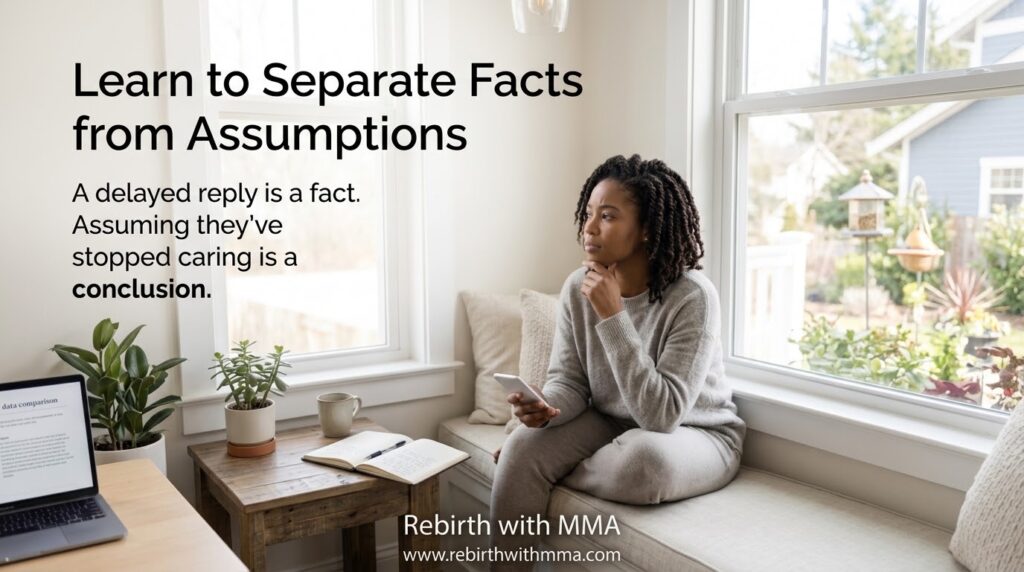
Learn to Separate Facts From Assumptions
One of the easiest ways to become emotionally overwhelmed is to treat every uncertainty as evidence of rejection.
Your partner has not replied in three hours, and you conclude that they are losing interest.
They sound tired during a conversation, and you assume you have done something wrong.
They do not initiate a conversation one morning, and you begin questioning the entire relationship.
Before accepting these thoughts as facts, pause and ask yourself what you actually know.
Fact: They have not replied yet.
Assumption: They no longer care about me.
Those are two different things.
There may be several explanations for their behaviour, and you do not have to settle on the most painful one without evidence.
If a pattern continues, address it through an honest conversation rather than allowing assumptions to make decisions for you.
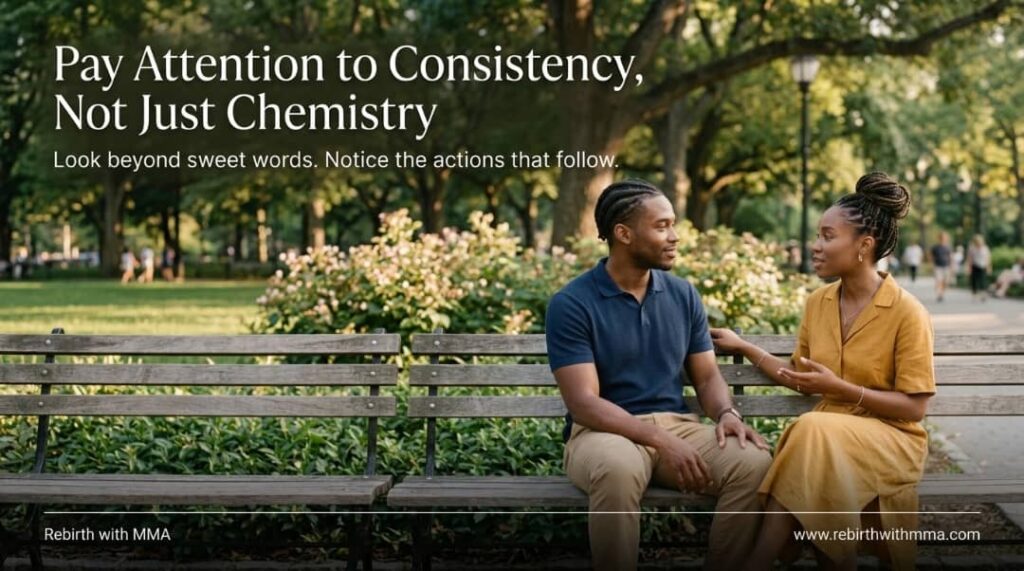
Pay Attention to Consistency, Not Just Chemistry
Chemistry can make a new connection feel exciting. You may have endless conversations, laugh at the same things, and feel an immediate attraction.
But chemistry alone does not tell you whether someone is ready for a healthy relationship.
Pay attention to whether their actions align with their words.
Do they follow through on commitments? Are they honest about their intentions? Do they respect your boundaries? Can you communicate openly when something concerns you?
You do not need to scrutinise every little thing they do. Simply give yourself enough time to observe the relationship as it develops.
Someone who is right for you will not necessarily be perfect, but there should be room for honesty, mutual effort, and a reasonable sense of security.
Keep Your Own Life Alive
Please do not abandon yourself because you have met someone you like.
Continue pursuing your goals. Maintain your friendships. Make time for activities that bring you joy. Keep working towards the things you want for your future.
A relationship should become part of your life, not the replacement for your entire life.
When you maintain your individuality, you are also less likely to feel that losing a particular connection would mean losing everything.
You can care deeply about someone and still have personal ambitions, meaningful friendships, and a sense of identity outside the relationship.
That is not a lack of love. It is a healthy balance.
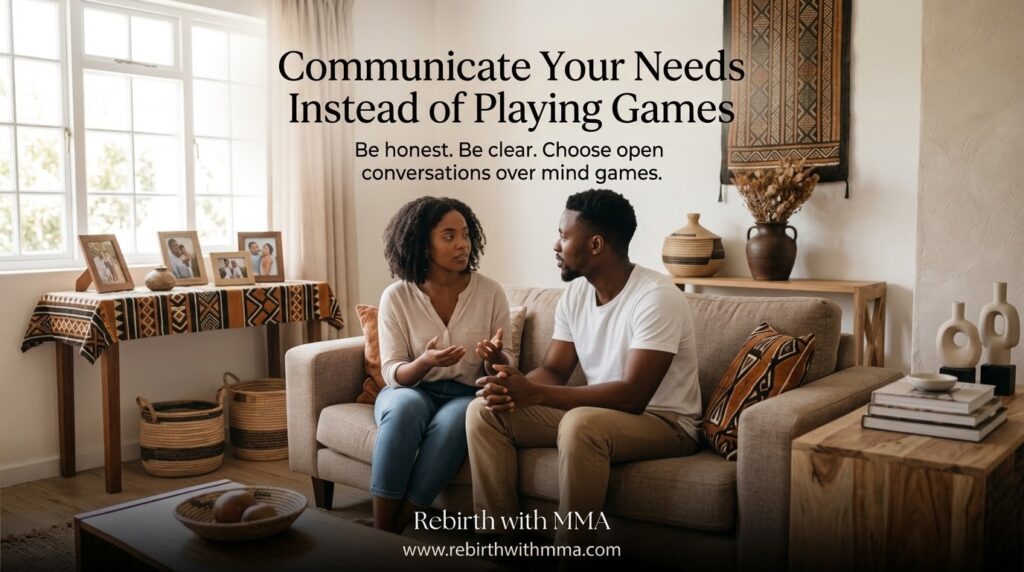
Communicate Your Needs Instead of Playing Games
If you want clarity about where a relationship is going, it is okay to ask.
You do not have to pretend to be indifferent when you genuinely want something meaningful.
You can say:
“I’m enjoying getting to know you, and I’d like to understand what you’re looking for. Are you interested in building a serious relationship, or are you approaching this more casually?”
That conversation may feel uncomfortable, but it gives both people an opportunity to be honest.
You cannot control whether someone wants the same things you do. However, you can decide what works for you based on the information they give you.
Avoid using jealousy, silent treatment, or deliberate withdrawal to test someone’s feelings.
Healthy connections are built through communication, not emotional games.
5. What If You Are Already Deeply Attached?
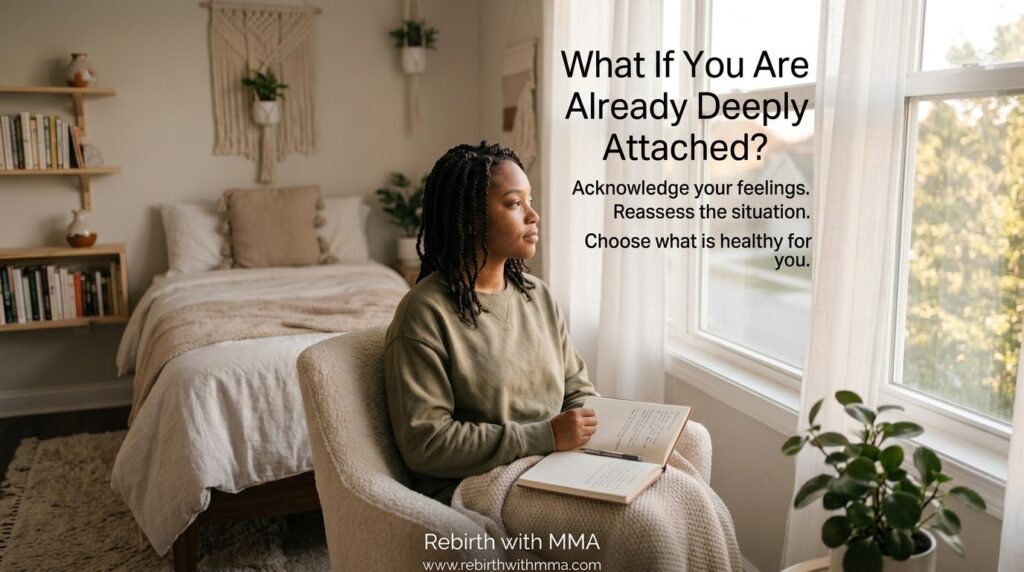
Perhaps you are reading this and thinking, “This is exactly what I am experiencing, but I am already too attached.”
First, do not shame yourself for having feelings.
You cannot always control when you develop an emotional connection, but you can make thoughtful decisions about what you do with those feelings.
Start by acknowledging the situation honestly.
Are you attached to someone who treats you well but needs a different communication rhythm? Are you investing heavily in someone whose intentions remain unclear? Or are you holding on to a connection that repeatedly leaves you feeling unwanted?
The answers matter because different situations require different responses.
If the connection is healthy but you feel overwhelmed, work on maintaining balance and allowing the relationship to develop naturally.
If you are uncertain about the other person’s intentions, have an honest conversation.
If the relationship repeatedly involves disrespect, dishonesty, or emotional harm, consider whether stepping back and establishing firmer boundaries would protect your well-being.
You do not have to force yourself to stop caring overnight.
Sometimes, moving towards a healthier relationship with yourself begins with accepting that you have feelings while recognising that those feelings alone cannot determine what is right for you. I put few videos to help you understand why.
6. How to Enjoy Love Without Losing Yourself
The goal is not to become emotionally unavailable.
It is not to pretend you do not care, avoid vulnerability, or make someone work unnecessarily hard to earn your attention.
Healthy relationships require openness. They require the courage to care about someone and the willingness to let yourself be known.
But vulnerability should exist alongside self-awareness.
You can express affection without rushing into commitments. You can miss someone without putting your life on hold. You can hope a relationship works out without ignoring the possibility that it may not.
And you can love someone while still recognising that your emotional well-being matters.
The more you understand yourself, the easier it becomes to recognise the difference between a connection that adds to your life and one that leaves you constantly searching for reassurance.
You deserve a relationship where you can care deeply without feeling that you must constantly fight to keep someone’s attention.
Final Thoughts: Let Love Grow at a Healthy Pace
Getting attached quickly does not make you foolish, desperate, or incapable of having a healthy relationship.
It may simply mean that connection matters deeply to you. It may reflect your desire to be loved, understood, and chosen.
Those are human desires. See related article
However, learning to manage your attachment can help you make better decisions about the people you allow into your life.
Give relationships time. Pay attention to consistency. Communicate your needs. Maintain your individuality. And remember that the excitement of meeting someone new is not the same as knowing whether you are truly compatible.
You do not have to rush love to make it real.
The right kind of connection should give you room to learn, grow, and understand each other without requiring you to abandon yourself in the process.
Love someone, enjoy getting to know them, and allow the relationship to unfold. But while you are learning about them, do not forget to keep learning about yourself.
Because sometimes, the most important relationship lesson is not learning how to make someone stay.
It is learning how to remain connected to yourself, regardless of who stays or leaves.

